Evaluating the Practical Value of Mango Tree Vector Assets for Design Projects
In the landscape of digital design, specific botanical illustrations often serve dual purposes: they are both aesthetic enhancements and functional components of branding or educational materials. The Mango Tree Vector collection represents a targeted resource for creators who require scalable, high-fidelity imagery of this distinct tropical species. Unlike raster images, which degrade when resized, vector graphics maintain crisp edges and consistent color fidelity regardless of scale. This fundamental technical advantage makes such assets indispensable for professionals working across diverse media, from large-format printing to responsive web interfaces.
For designers, marketers, and small business owners, the decision to integrate pre-made vector elements into a workflow is often driven by efficiency and consistency. A well-constructed mango tree illustration can anchor a visual identity for food brands, agricultural reports, or lifestyle blogs. However, the utility of these files extends beyond mere convenience. It hinges on the quality of the underlying paths, the organization of layers, and the versatility of the provided file formats. This analysis explores the characteristics, applications, and practical considerations of using mango tree vector illustrations in professional and semi-professional contexts.
Technical Specifications and File Versatility
The core value of any vector asset lies in its adaptability. A comprehensive Mango Tree Vector package typically includes multiple file formats to ensure compatibility with various software ecosystems. Understanding the role of each format is crucial for maximizing the asset's potential.
- EPS10 Files: Encapsulated PostScript (EPS) remains a standard for print production. EPS10 compatibility ensures that the file can be opened by older versions of Adobe Illustrator and other vector editing programs, providing broad accessibility for legacy workflows.
- SVG Files: Scalable Vector Graphics are essential for web development. They allow developers to embed lightweight, resolution-independent images directly into HTML code, ensuring fast load times and sharp rendering on high-density displays.
- PNG Files: While not vector-based, included PNGs with transparent backgrounds offer immediate usability for users who lack vector editing software. These are ideal for quick compositing in presentation slides or social media graphics.
- JPG Files: High-resolution JPEGs serve as preview images or for use in contexts where transparency is not required, such as certain document embeddings or background textures.
The inclusion of these varied formats indicates a thoughtful approach to user needs. It acknowledges that not all recipients of the file will be graphic designers with access to advanced tools. By providing editable vectors alongside ready-to-use raster images, the asset bridges the gap between professional customization and casual application.
Design Flexibility and Customization Potential
One of the primary strengths of a high-quality mango tree vector is its editability. Unlike a flat photograph, a vector illustration is constructed from mathematical paths and anchor points. This structure allows designers to manipulate individual elements without compromising image integrity. For instance, a creator might need to adjust the hue of the leaves to match a specific brand palette or simplify the foliage density for a minimalist logo design.
Effective vector templates are organized with logical layering. Separate layers for the trunk, branches, leaves, and fruit enable selective editing. This granularity is particularly valuable for animation projects, where individual elements may need to move independently. A static image becomes a dynamic asset when its components are isolated, allowing for subtle movements such as swaying branches or falling fruit in motion graphics.
Furthermore, the scalability of vector files ensures consistency across different applications. A single Mango Tree Vector can be scaled down for a favicon or business card and scaled up for a billboard or trade show banner without pixelation. This uniformity reinforces brand recognition and reduces the need for creating multiple versions of the same asset for different mediums.
Practical Applications Across Industries
The versatility of mango tree illustrations supports a wide range of use cases. Identifying where these assets fit best helps creators determine their relevance to specific projects.
Branding and Packaging Design
For businesses in the food and beverage sector, particularly those selling tropical fruits, juices, or organic products, authentic botanical imagery is vital. A stylized yet accurate mango tree can serve as a central motif in packaging design, conveying freshness and natural origin. The clean lines of vector art ensure that details remain visible even on small labels, enhancing shelf appeal.
Educational and Editorial Content
Educators and publishers often require clear, diagrammatic representations of plant life. Vector illustrations are ideal for textbooks, infographics, and online courses because they can be simplified to highlight specific biological features. The clarity of vector lines aids in comprehension, making complex structures easier to understand for students and readers.
Digital Media and Web Design
In web design, lightweight SVG files contribute to better performance metrics. Using a mango tree vector as a decorative element or icon enhances visual interest without slowing down page load speeds. Additionally, vectors can be styled via CSS, allowing for interactive effects such as color changes on hover, which improves user engagement.
DIY Crafts and Personal Projects
Beyond professional design, these files are valuable for hobbyists engaged in DIY crafts. Cutting machines used for vinyl decals, paper crafts, or textile printing often require vector inputs. The precision of SVG or EPS files ensures clean cuts, enabling enthusiasts to create custom home decor, apparel, or party decorations with professional results.
Evaluating Quality and Usability
When assessing a Mango Tree Vector set, several criteria determine its overall quality. First, the accuracy of the botanical representation matters. While stylization is acceptable, the proportions of the leaves, fruit, and branches should reflect reality to maintain credibility, especially in educational or premium branding contexts.
Second, the complexity of the paths affects usability. Overly complex vectors with excessive anchor points can be difficult to edit and may cause performance issues in some software. Conversely, overly simplified vectors may lack the detail necessary for larger prints. A balanced approach, offering options ranging from detailed to minimalist, provides the greatest flexibility.
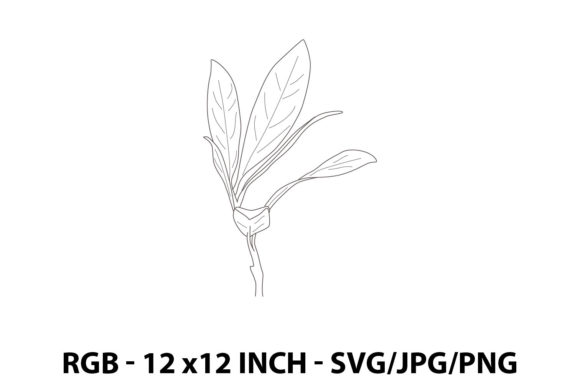
Third, color management is critical. Professional vectors should utilize CMYK color profiles for print readiness and RGB for digital use, or be easily convertible between the two. Poor color separation can lead to unexpected results when printing, such as muddy greens or inaccurate fruit tones.
Limitations and Considerations
While vector assets offer significant advantages, they are not universally suitable for every scenario. Photorealistic textures, such as the rough bark of a mature mango tree or the subtle gradients of ripening fruit, are challenging to replicate purely with vector paths. In cases where photorealism is required, hybrid approaches combining vector shapes with raster textures may be necessary.
Additionally, users must possess basic knowledge of vector editing software to fully leverage EPS or SVG files. Those unfamiliar with tools like Adobe Illustrator, CorelDRAW, or Inkscape may find the learning curve steep. However, the inclusion of PNG and JPG files mitigates this barrier for users seeking immediate, non-editable solutions.
Conclusion: Integrating Vector Assets into Your Workflow
The Mango Tree Vector collection serves as a practical tool for creators seeking efficient, scalable, and versatile botanical imagery. Its value lies not only in the aesthetic appeal of the illustration but also in the technical robustness of the file formats provided. By offering editable, resizable, and multi-format options, these assets support a wide array of professional and personal projects.
For designers, the ability to customize and animate individual elements enhances creative possibilities. For businesses, the consistency and scalability of vector graphics reinforce brand identity across diverse touchpoints. For hobbyists, the precision of vector files enables high-quality DIY outcomes. Ultimately, the decision to utilize such assets should be guided by the specific requirements of the project, considering factors such as desired style, technical constraints, and intended audience. When selected and applied thoughtfully, mango tree vector illustrations can significantly elevate the visual quality and effectiveness of design communications.