Decorative Tree Vector, Heart Leaves: Integrating Abstract Design Elements into Professional Workflows
In the landscape of modern digital design, the efficiency of asset management often dictates the success of a project. For professionals ranging from graphic designers to small business owners, the ability to quickly source high-quality, versatile visual elements is crucial. The Decorative Tree Vector, Heart Leaves set represents more than just a collection of images; it is a functional resource designed to streamline the creative process. By combining abstract aesthetics with symbolic imagery, this vector package offers a flexible solution for a wide array of applications, from branding initiatives to personal DIY crafts.
Understanding how to effectively integrate these assets into your existing workflow requires a shift in perspective. Instead of viewing them merely as decorative additions, consider them as foundational building blocks that can enhance communication, establish tone, and maintain visual consistency across various media. This article explores the practical implementation of the Abstract decorative tree vector, heart leaves shaped files, detailing how they fit into broader design processes, technical considerations for file usage, and strategies for maximizing their utility in both commercial and personal projects.
The Strategic Role of Abstract Visuals in Design Processes
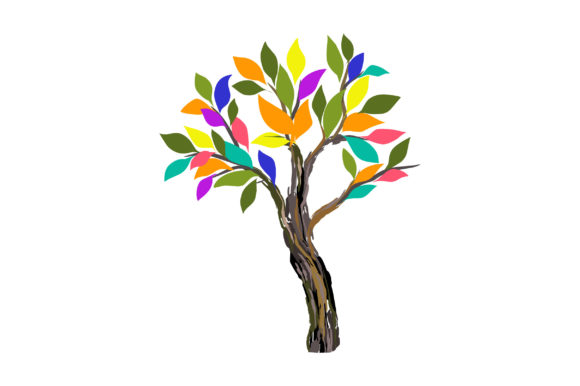
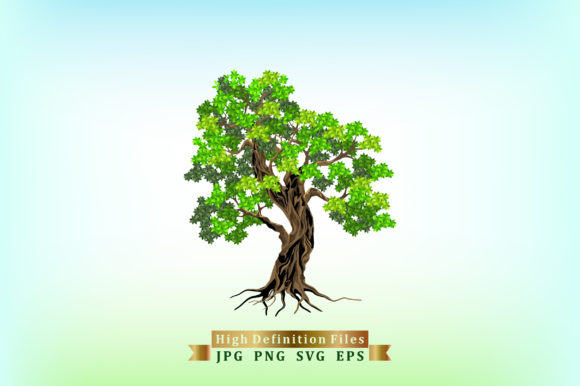
Before diving into the technical specifics of file formats, it is essential to understand where the Decorative Tree Vector, Heart Leaves fits within the lifecycle of a creative project. In the initial planning phase, designers and marketers often struggle to convey complex emotions or brand values through text alone. Abstract visuals serve as a bridge, offering immediate emotional resonance. The heart-shaped leaves on a tree structure evoke themes of growth, love, nature, and community. These are universal concepts that resonate with diverse audiences, making the asset suitable for industries ranging from healthcare and education to hospitality and retail.
During the execution phase, the versatility of vector graphics becomes apparent. Unlike raster images, which are composed of pixels and can lose quality when resized, vector files are based on mathematical paths. This means the Abstract decorative tree vector, heart leaves shaped can be scaled from a tiny icon on a mobile app interface to a large-format banner for a trade show without any loss of clarity. This scalability is critical for maintaining brand consistency. When a logo or design element looks crisp on a business card and equally sharp on a billboard, it reinforces professional credibility and attention to detail.
Furthermore, the integration of these vectors supports rapid prototyping. Entrepreneurs and freelancers often need to present multiple design concepts to clients or stakeholders quickly. Having a library of ready-to-use, high-quality vectors allows for faster iteration. You can test different color schemes, layouts, and compositions without spending hours creating original illustrations from scratch. This efficiency not only saves time but also reduces project costs, allowing resources to be allocated to other critical areas such as copywriting or market research.
Technical Compatibility and File Format Utilization
The true value of the Decorative Tree Vector, Heart Leaves download lies in its comprehensive file inclusion. The package provides JPG, EPS10, PNG, and SVG files, each serving a distinct purpose in the digital ecosystem. Understanding when to use each format is key to optimizing your workflow and ensuring compatibility across different platforms and software.
- EPS10 Files: Encapsulated PostScript (EPS) files are the industry standard for professional print design. Compatible with Adobe Illustrator, CorelDRAW, and other vector-based software, EPS10 files allow for full editability. You can modify anchor points, change colors, and adjust shapes to fit specific brand guidelines. This format is ideal for logo design, packaging, and any application where precise control over the graphic is required.
- SVG Files: Scalable Vector Graphics (SVG) are essential for web development and digital interfaces. Because they are code-based, SVGs are lightweight and render perfectly on screens of all resolutions, including high-density Retina displays. Developers can manipulate SVGs using CSS and JavaScript, enabling interactive animations and dynamic styling. If you are building a website or an app, the Abstract decorative tree vector, heart leaves shaped in SVG format ensures fast load times and crisp visuals.
- PNG Files: Portable Network Graphics (PNG) support transparency, making them perfect for overlaying graphics onto photographs or colored backgrounds. While they are raster images and not infinitely scalable like vectors, high-resolution PNGs are suitable for social media posts, presentation slides, and digital documents where editing is not required. They offer a quick plug-and-play solution for non-designers who need to add a professional touch to their content.
- JPG Files: Joint Photographic Experts Group (JPG) files are universally compatible and ideal for situations where file size is a concern and transparency is not needed. They are suitable for email newsletters, blog headers, and preview images. However, remember that JPGs do not support transparency and may introduce compression artifacts, so they are best used for final outputs rather than intermediate design stages.
By leveraging the appropriate file type for each stage of your project, you ensure optimal quality and performance. For instance, a marketer might use the PNG version for a Facebook ad, while the design team uses the EPS file to create custom merchandise. This multi-format approach eliminates the need for conversion tools, reducing potential errors and saving valuable time.
Practical Applications Across Industries and Projects
The Decorative Tree Vector, Heart Leaves is not limited to a single niche. Its abstract nature allows for broad interpretation and application. Here are several practical scenarios where these assets can enhance your output:
Branding and Identity Design
For startups and small businesses, establishing a unique visual identity is paramount. The heart-leaf motif can be incorporated into logos for wellness centers, organic product lines, or community organizations. The editable nature of the vector files allows designers to tweak the curvature of the leaves or the thickness of the branches to align with the brand’s personality—whether it needs to appear soft and welcoming or strong and structured.
Digital Content and Social Media
Content creators and bloggers constantly seek fresh visuals to engage their audience. The Abstract decorative tree vector, heart leaves shaped can serve as a background element for quote graphics, a divider between sections in a blog post, or an icon for a newsletter header. Using the SVG or PNG formats ensures that these elements look professional on all devices, enhancing the user experience and encouraging sharing.
Print-on-Demand and Merchandise
Entrepreneurs in the e-commerce space can utilize these vectors for t-shirt designs, tote bags, and home decor items. The high resolution of the EPS and SVG files ensures that prints remain sharp, even on textured fabrics. The symbolic nature of the design appeals to consumers looking for meaningful, aesthetically pleasing products, particularly around holidays like Valentine’s Day or Earth Day.
Educational and Editorial Materials
Educators and publishers can use these illustrations to soften the visual tone of textbooks, worksheets, or presentations. The tree motif can symbolize growth and learning, making it an appropriate choice for educational materials. The clean lines of the vector art ensure that it reproduces well in black and white, which is often necessary for printed handouts.
Workflow Integration and Best Practices
To maximize the benefits of the Decorative Tree Vector, Heart Leaves, it is important to adopt a structured approach to asset management. Begin by organizing your downloaded files into clearly labeled folders. Separate the formats (EPS, SVG, PNG, JPG) to avoid confusion during the design process. This simple step can significantly reduce search time and prevent the accidental use of low-resolution files in high-stakes projects.
When editing the vector files, always work on a copy rather than the original. This preserves the integrity of the source file for future use. Utilize layers in your design software to isolate the tree elements from the background, allowing for greater flexibility in composition. Experiment with opacity and blending modes to create depth and interest, especially when layering the graphic over photographs or textured backgrounds.
Consistency is key in professional design. If you use the Abstract decorative tree vector, heart leaves shaped in one part of a campaign, consider carrying that visual language through to other touchpoints. Use the same color palette derived from the vector in your typography and layout choices. This cohesive approach strengthens brand recognition and creates a more polished final product.
Finally, consider the long-term value of these assets. High-quality vectors are timeless investments. Unlike trend-heavy illustrations that may look dated in a year, abstract botanical designs maintain their relevance. By integrating them into your core library of resources, you build a sustainable toolkit that supports efficient, high-quality output across multiple projects and years.
In conclusion, the Decorative Tree Vector, Heart Leaves is a versatile, high-quality resource that supports a wide range of creative and professional endeavors. By understanding its technical specifications, strategic applications, and integration best practices, you can elevate your design workflow, enhance visual communication, and achieve consistent, professional results. Whether you are a seasoned designer or a hobbyist looking to add a personal touch to your crafts, this vector set offers the flexibility and quality needed to bring your ideas to life.